How to Spot Fake Dating Ads: Protect Yourself in Sugar Dating

Reading time: 5 minutes
A profile photo from a photo studio, a text full of typos and a promise of $2,000 a month without ever meeting in person. Combinations like these are exactly why spotting fake dating ads should be a basic skill for every sugar baby. If you know the typical warning signs, you won't waste time on fake profiles and you'll protect yourself from financial and emotional harm. In this article we show you concretely how to spot fake dating ads and how to tell genuine inquiries from scam attempts.
Why spotting fake dating ads matters so much in sugar dating
Sugar dating is built on trust between two adults who make a clear agreement. Scammers exploit exactly this trust by creating fake profiles with unrealistic promises. The German consumer advice center (Verbraucherzentrale) regularly warns about so-called romance scams, in which perpetrators build emotional closeness over weeks before asking for money (Verbraucherzentrale, 2023).
If you can spot fake dating ads, you save not only money but also disappointment. Especially in sugar dating, where financial support is part of the arrangement, beginners often find the line between a legitimate arrangement and a scam blurry.
The biggest red flags in fake dating ads
Fake dating ads often follow similar patterns. If you know them, you can identify them within seconds, before a single message has even been exchanged.
- Unrealistic promises with nothing in return: A supposed sugar daddy offers $3,500 a month without ever suggesting an in-person meeting or asking about your expectations.
- Upfront payment for travel costs or gifts: Being asked to wire a fee first for an alleged plane ticket or a credit card is a classic scam pattern.
- Profile photos from stock images or celebrity photos: A reverse image search on Google Images often shows that the same photo appears on five other platforms under a different name.
- An extremely short text with no personal details: Genuine profiles usually include concrete details about career, interests or expectations for the arrangement.
- Immediately switching to external messengers: If you're pushed toward WhatsApp or Telegram within the first three messages, the platform can no longer protect you.
How to recognize a fake dating ad by its language
Many scam profiles are run by groups abroad who use automated translation tools. This leads to wording that looks grammatically correct but sounds oddly stiff.
One example: "I am a successful businessman and am looking for an elegant lady for financial support" sounds like a template that has been copied hundreds of times. Genuine men usually write in a more individual way and refer to your profile when they message you.
Avoiding dating ad scams: concrete protective measures
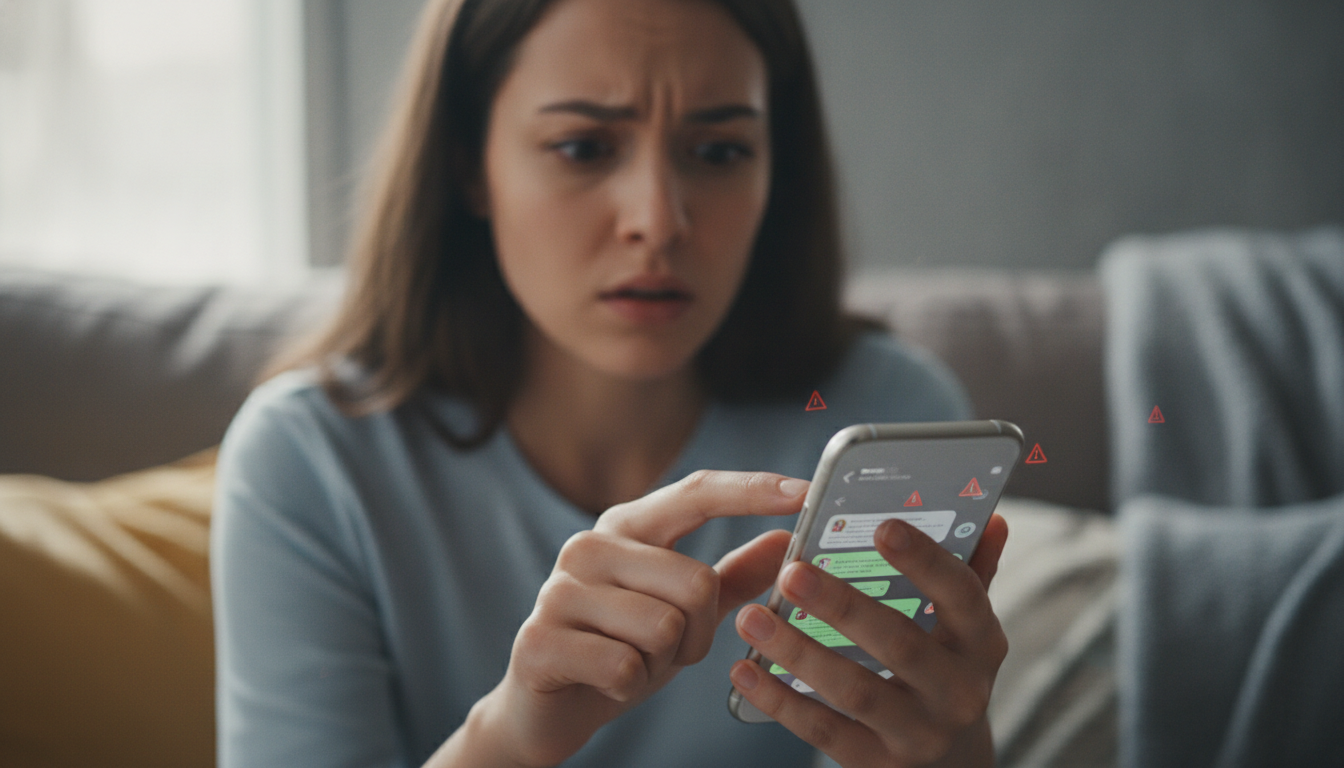
To avoid dating ad scams, a trained eye alone is not enough. You should actively build in verification steps before you share any personal information.
A proven approach is a video call before the first meeting. If someone refuses to turn on the camera even though they claim to be seriously interested, they've already given you a clear answer.
Germany's Federal Network Agency (Bundesnetzagentur) also points out that extra caution is needed with online contacts who ask for money, regardless of the platform (Bundesnetzagentur). This rule applies to sugar dating just as much as to traditional dating sites.
Checklist for genuine dating ads
Genuine dating ads stand out through consistency and transparency. A profile that stays active over several weeks and replies to messages promptly, but not in a rush, looks far more credible than an account that was only created yesterday.
- The profile photo shows the person in different situations and not just a single studio shot.
- The ad includes realistic figures for the budget, such as "$500 to $800 per month" instead of vague promises of luxury.
- There is clear communication about expectations before it comes to private contact details.
Sugar dating safety: what to check before the first meeting
Sugar dating safety starts long before the actual date. A good profile photo and a well-thought-out ad text are first indicators of credibility, both for you and for the person you're talking to. If you value an authentic presentation yourself, you'll notice more quickly when something is off with someone else.
Also look at how the person reacts to follow-up questions. Someone who stays evasive when you ask about meeting at a public café probably has something to hide. Genuine prospects are open to a first, no-strings contact in a neutral place.
Another point is the topic of money. Open conversations about financial expectations are part of a fair arrangement and shouldn't be hidden behind vague hints.
Fake sugar daddy profiles: typical deception patterns in detail

Fake sugar daddy accounts often use the stolen identities of successful entrepreneurs to build trust. The photos frequently come from the LinkedIn profiles of real people who know nothing about their use.
A typical pattern is the rapid escalation of emotional closeness. Within three to four days, pet names are used and a shared future is discussed, even though not a single phone call has taken place.
If you want to spot fake dating ads, this emotional acceleration is exactly where you should become suspicious. Genuine connections usually develop more slowly and with more room for getting to know each other.
Frequently asked questions about fake dating ads
How can I spot a fake dating ad right away?
An unrealistic money offer with nothing in return and a refusal to show yourself on video are the clearest signals. A reverse image search also helps expose stolen photos.
Should I send money upfront if I'm asked to?
No, genuine sugar daddies never ask for advance payments for travel costs or gifts. This demand is a clear sign of a scam.
How can I stop dating ad scams early?
Cut off contact immediately as soon as money demands appear, before an in-person meeting has taken place. Also report the profile to the platform in question.
How can I tell genuine dating ads from fakes?
Genuine ads contain realistic, concrete details and respond openly to questions about a first meeting. Fake profiles usually stay vague and quickly push toward external communication channels.
Is a missing video call always a red flag?
A single hesitation doesn't necessarily mean fraud, but permanent refusal does. Insist on a short video call after two weeks of contact at the latest.
Conclusion: use knowledge to spot fake dating ads and date safely
Spotting fake dating ads isn't a matter of luck but of paying attention to concrete details. If you watch for unrealistic promises, missing video calls and stolen profile photos, you reduce the risk considerably. The next time you come across a suspicious profile, simply take a moment to go through the warning signs above before you reply. If you also want to work on your own profile, you'll find helpful tips on writing a personal ad for your sugar dating profile or on choosing the right profile picture background. That way you can go into your next arrangement confident and protected.